Camping isn’t just a trip — it’s a reset button. Whether you’re chasing quiet mornings in the mountains or late-night talks by the fire, choosing the right camping spots can make or break the experience. If you’ve ever shown up somewhere and thought “meh… this ain’t it,” you already know what I mean.
This guide walks you through how to pick great camping locations, what types exist, and how to find hidden gems that actually match your vibe.

Why Choosing the Right Camping Spot Matters
Not all camping spots are created equal. Some are packed, noisy, and feel more like a parking lot than nature. Others? Pure gold — quiet, scenic, and just the right amount of wild.
The difference usually comes down to:
Accessibility (easy drive vs. hike-in)
Amenities (basic vs. full-service)
Pick wrong, and you’re dealing with loud neighbors, bad views, or zero shade. Pick right, and it’s the kind of trip you’ll keep thinking about weeks later.
Types of Camping Spots You Should Know
1. Established Campgrounds
These are your standard, managed camping areas. Think marked sites, restrooms, sometimes even electricity.
Good for:
Pros:
Easy access
Safer and more organized
Facilities available
Cons:
Can get crowded
Less privacy
If you’re new to camping, start here. No need to overcomplicate things.
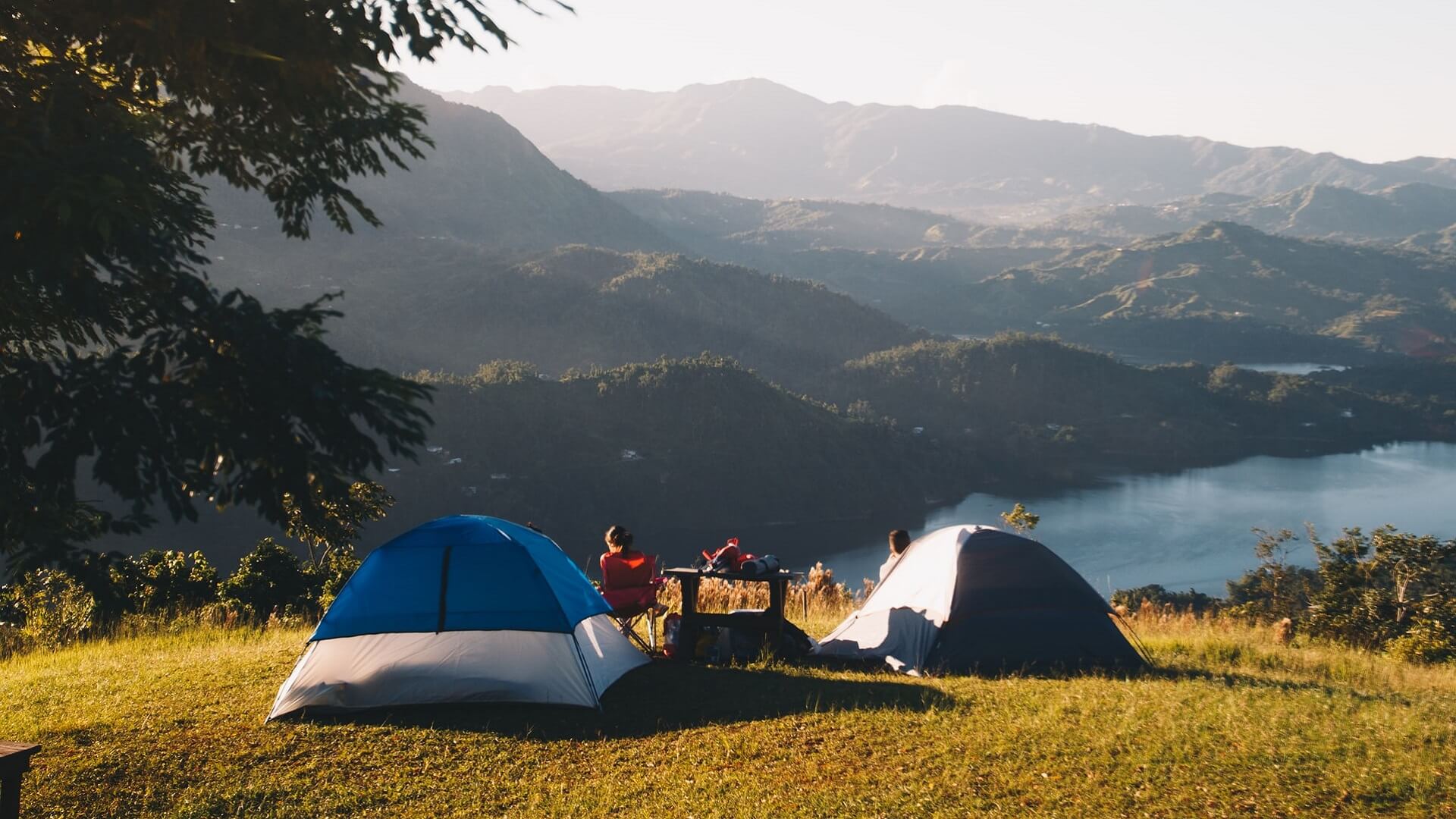
2. Wild Camping / Dispersed Camping
This is where things get interesting. No designated spots, no facilities — just you and nature.
Good for:
People who want peace and solitude
Pros:
Total freedom
Incredible views if you pick right
No crowds
Cons:
Requires planning
No bathrooms, no water
Sometimes restricted by law
This is the kind of camping that actually feels like an escape.
3. Glamping Spots
Camping, but with comfort. Think tents with beds, lighting, sometimes even Wi-Fi.
Good for:
People who want nature without roughing it
Couples, weekend getaways
Pros:
Comfortable
No gear needed
Cons:
Less “real” camping feel
Not for purists, but honestly, it has its place.
4. Beach Camping Spots
Waking up to waves hitting the shore hits different.
Good for:
Relaxing trips
Groups of friends
Pros:
Amazing views
Open space
Great for swimming and bonfires
Cons:
Wind can be brutal
Sand gets everywhere
Limited shade
Pick the right weather window or it turns into a struggle real quick.
How to Find the Best Camping Spots
Use Maps, But Don’t Trust Them Blindly
Google Maps is a start, but it won’t tell you everything. A place might look amazing on satellite but be crowded or restricted in reality.
Better approach:
Check reviews
Look at recent photos
Cross-check with local forums
Go Where Others Don’t (But Still Legal)
Popular camping spots are popular for a reason — but they’re also packed.
Instead:
Look for areas slightly outside known locations
Explore lesser-known national parks or reserves
Ask locals (this one works surprisingly well)
Think About the Season
A perfect camping spot in winter might be unbearable in summer.
Mountains: cool but can get cold at night
Forests: great shade but more bugs
Beaches: perfect in mild weather, rough in storms
Timing matters more than people think.
Check Basic Essentials
Before locking in a camping spot, ask yourself:
Is there water nearby?
Is it safe (animals, terrain, weather)?
Can I actually get there with my vehicle?
Is camping allowed?
Skipping these checks is how trips go sideways.
Best Features of a Great Camping Spot
A truly good camping location usually ticks most of these boxes:
1. Natural Shade
No shade = miserable daytime. Trees or cliffs help a lot.
2. Flat Ground
Sleeping on a slope sounds minor until your whole body slides at 2 AM.
3. Water Access
Lake, river, or stream nearby = huge plus.
4. Good View
This is the whole point. Don’t settle for a parking-lot view.
5. Privacy
Distance from other campers makes a massive difference in experience.
Hidden Gem Camping Spots: How to Spot Them
Here’s the trick — the best camping spots are rarely the ones everyone talks about.
Look for:
Unmarked trails leading to open clearings
River bends away from main access points
Higher elevation areas with fewer people
Also, if it takes a bit more effort to get there, chances are it’s worth it.
Common Mistakes When Choosing Camping Spots
1. Prioritizing Convenience Over Experience
Easy access is nice, but it often comes with crowds.
2. Ignoring Weather Conditions
Wind direction, rain risk, and temperature swings matter more than you think.
3. Overlooking Regulations
Some areas strictly prohibit camping. Always check.
4. Not Having a Backup Spot
Sometimes your first choice doesn’t work out. Always have plan B.
Final Thoughts: Find Your Kind of Camping Spot
There’s no “best” camping spot — just the one that fits what you’re looking for.
Want comfort? Go campground or glamping.
Want adventure? Try wild camping.
Want chill vibes? Lakeside or beach camping hits the spot.
The key is knowing your style and matching it with the right location.
Once you get that right, everything else — the fire, the food, the late-night talks — just falls into place.
If you want, I can tailor this into camping spots in Vietnam?
Comments
Post a Comment